


Introduction:
As the Schengen Area covers 27 European countries, obtaining a Schengen visa opens up travel possibilities across Europe. Nigerian youths, many of whom are part of the “Japa” movement, are increasingly looking at European countries like Germany, France, and the Netherlands for education and job opportunities.
Key Points:
-
Types of Schengen Visas:
The most common types are short-stay visas for tourism, business, and student visas. For Nigerian applicants, understanding which category applies to you is crucial. -
Document Checklist:
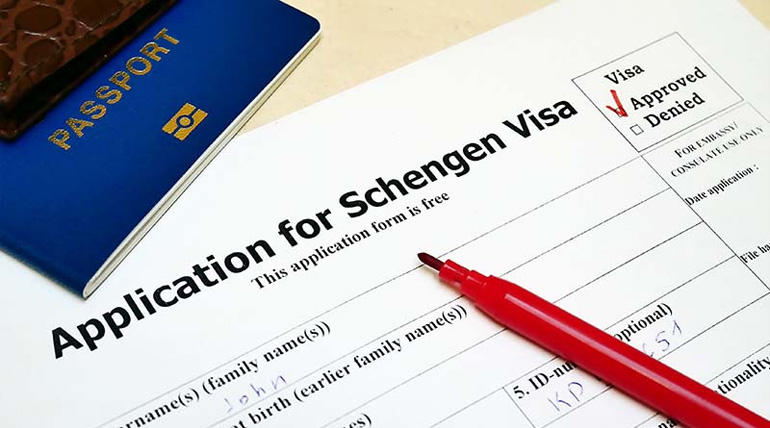
A completed application form, valid passport, recent photos, travel insurance, financial statements, and proof of accommodation are the basics. You’ll also need to show a clear travel itinerary. -
Financial Proof and Ties to Nigeria:
One of the most common reasons for visa rejection is the failure to prove financial stability or ties to your home country. Ensure your bank statements reflect the funds required for the trip, and have evidence of employment, property ownership, or family obligations in Nigeria. -
Visa Fees and Processing Time:
The fee for a Schengen visa can be significant in the context of the Nigerian economy, and applicants should factor in potential delays due to backlogs, especially during peak periods like summer and the Christmas holiday season. -
Interview Preparation:
Not all applicants will require an interview, but for those who do, be prepared to explain your reasons for travel and your plans to return to Nigeria after your trip.
Conclusion:
As Nigerian youth increasingly seek opportunities in Europe, the Schengen visa remains a key to unlocking the continent. With thorough preparation and an understanding of the requirements, your chances of a successful application increase dramatically.